What to Do With Pet Ashes: 15 Meaningful Ideas
When a pet's ashes are returned after cremation, many families aren't sure what to do next. There's no single right answer — this is entirely personal. What matters is honoring your pet in a way that feels true to who they were and what they meant to your family.
If you have questions about what the ashes actually are, how much you'll receive, or how to verify they're your pet's — see our guide to what happens to your pet's ashes after cremation. Below are 15 meaningful ideas for honoring them, ranging from simple and free to elaborate and keepsake-worthy.
At Home
🔍 Ready to find a provider?
Get the Free 2026 Pet Cremation Cost Guide
Average costs by state, what's included, and questions to ask providers — free.
Compare trusted pet cremation services in your area — prices, reviews, and direct contact.
1. Keep Them in a Beautiful Urn
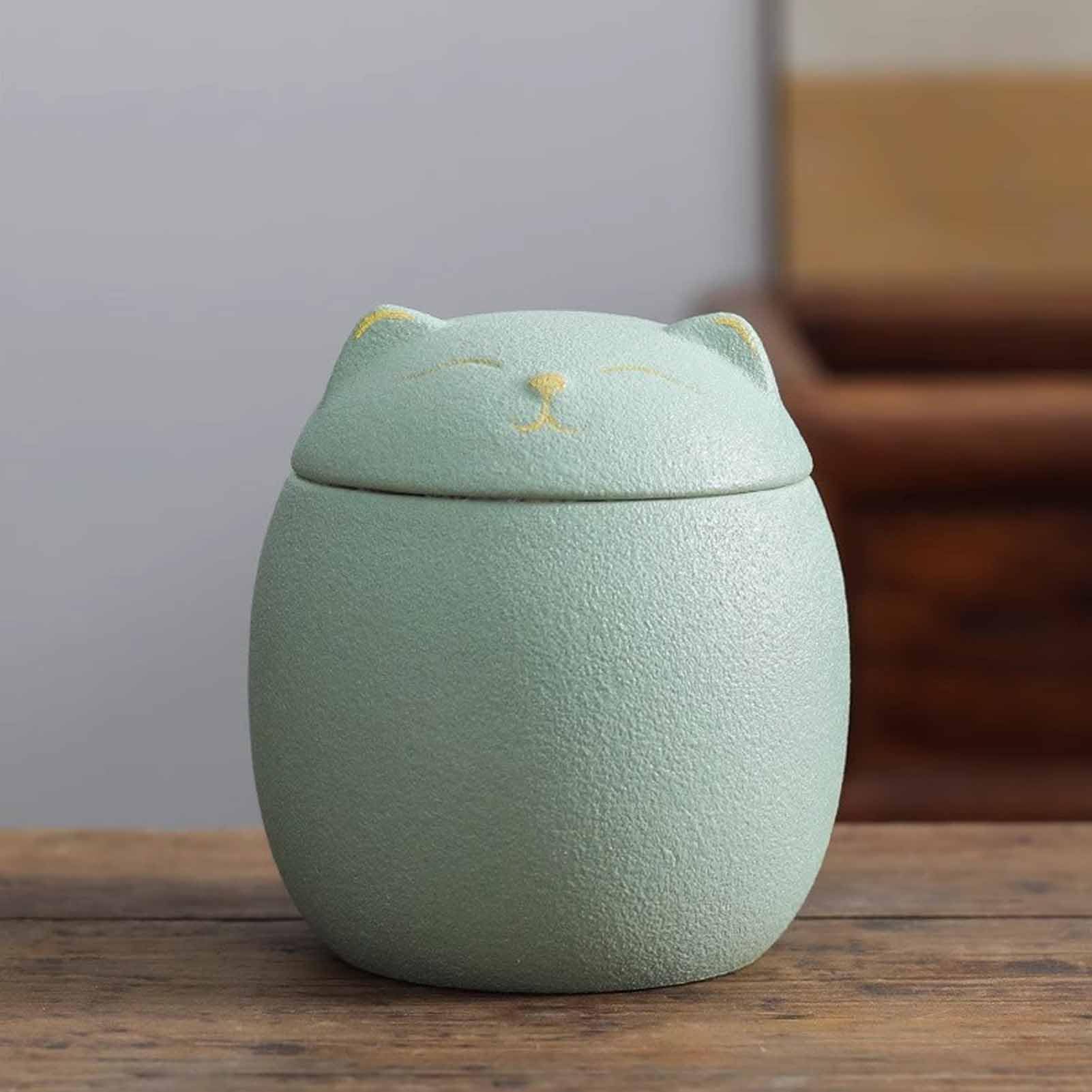
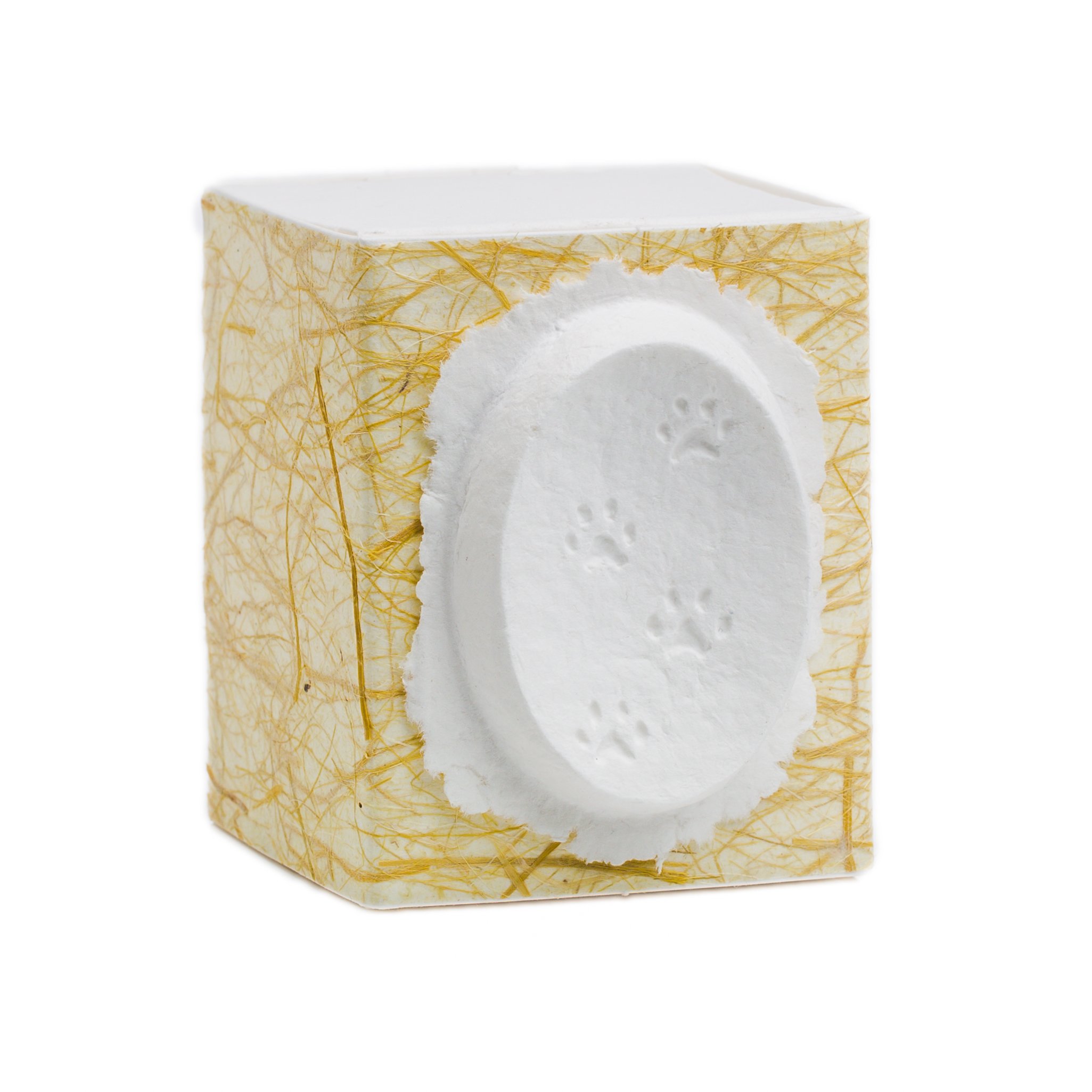
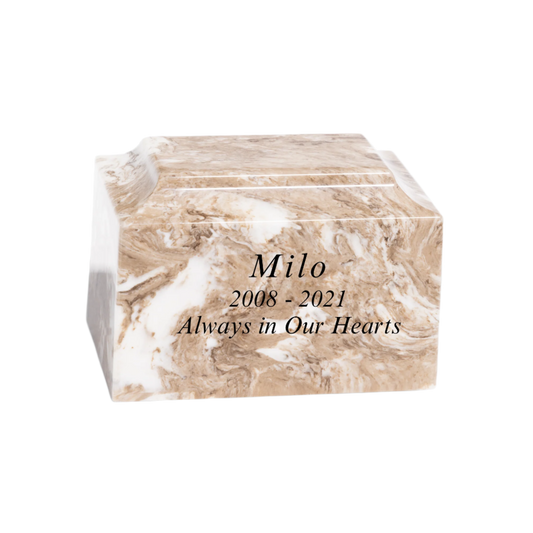
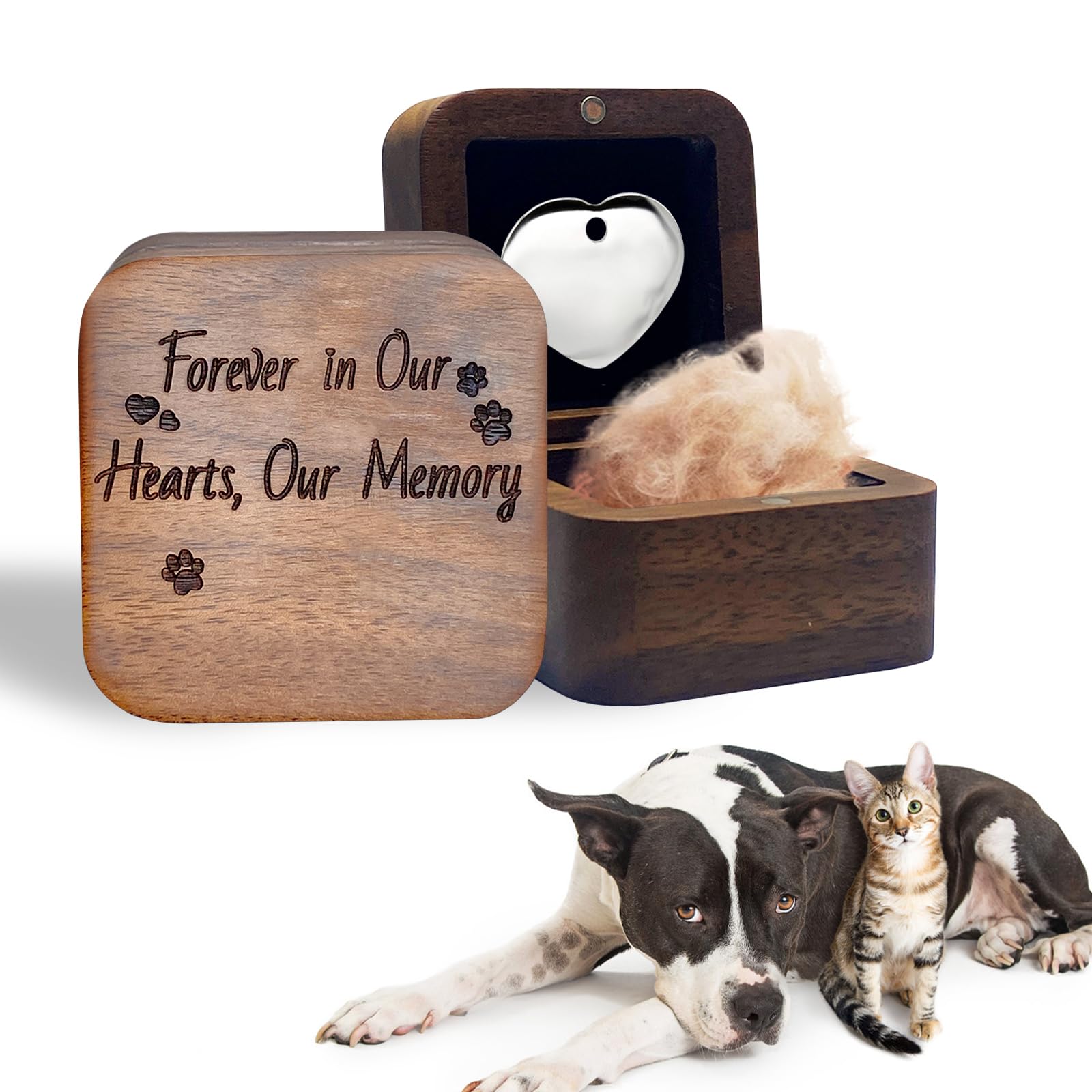
The simplest and most common choice: place your pet's ashes in a decorative urn on a shelf, mantle, or windowsill. Urns range from simple wooden boxes to hand-thrown ceramic pieces to personalized engraved containers. A well-chosen urn becomes a permanent, visible tribute to your pet's place in your home and heart.
2. Create a Pet Memorial Corner
Set aside a small area — a shelf, a side table, a corner of a room — dedicated to your pet's memory. Include the urn, a framed photo, their favorite toy, and any other meaningful items. This "memory corner" gives you a place to pause and remember, especially in the early weeks of grief.
3. Commission a Custom Portrait
A growing number of artists incorporate pet ashes into custom portraits — mixing a small amount into the paint medium or background. The result is a piece of art that literally contains your pet. Search for "cremation portrait artist" or "ash infused pet portrait" to find options in various price ranges.
Shop: Pet Urns & Home Memorials
Affiliate links — we may earn a small commission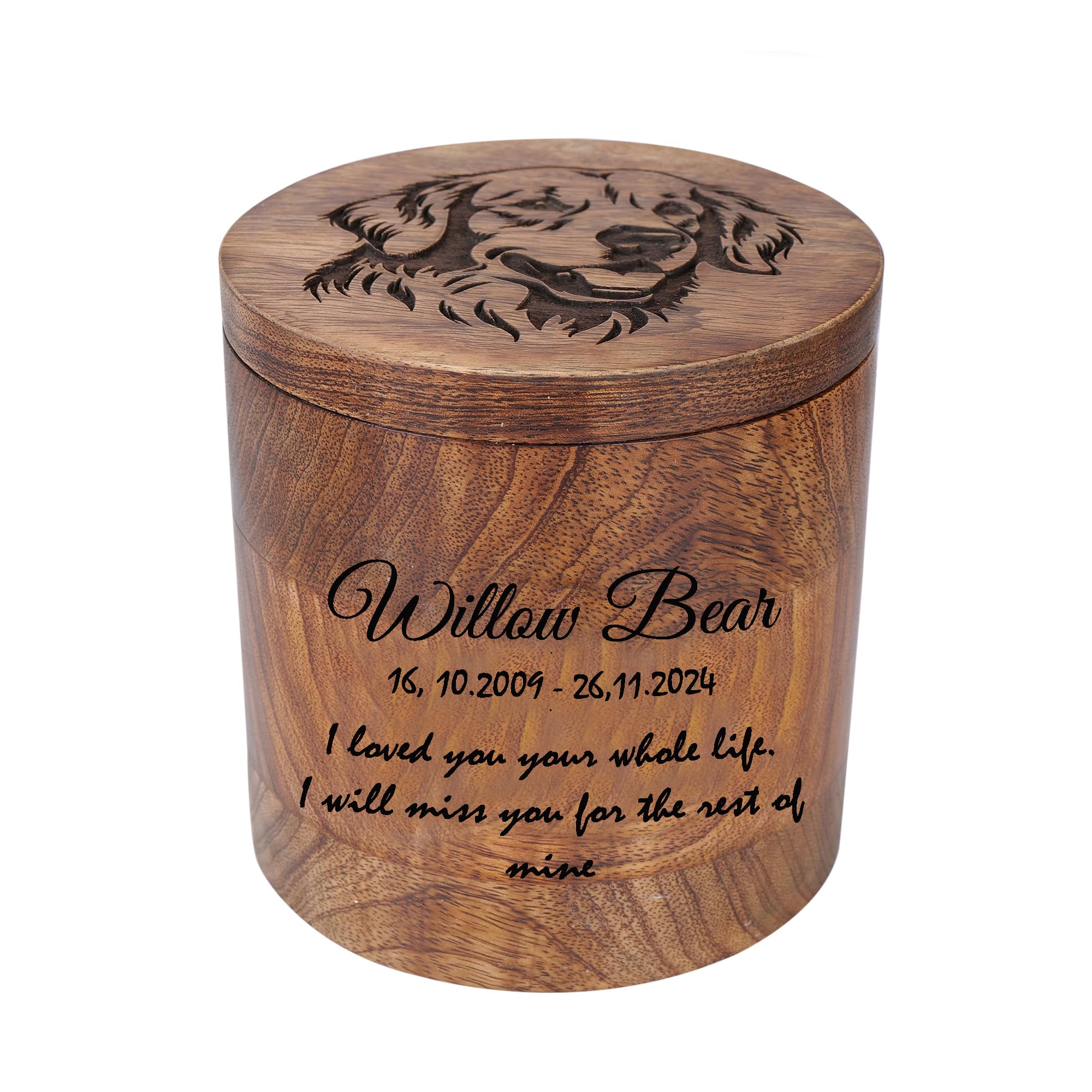
Keepsakes You Can Wear or Carry
4. Memorial Jewelry
Memorial jewelry made from pet ashes is one of the most popular keepsake options. A small portion of ashes is incorporated into a pendant, ring, or bracelet — fused into glass, set in resin, or pressed into a gemstone-like material. You carry your pet with you wherever you go. Prices range from $50 for a simple resin pendant to $500+ for a glass-blown art piece.
5. A Pressed Glass Keepsake
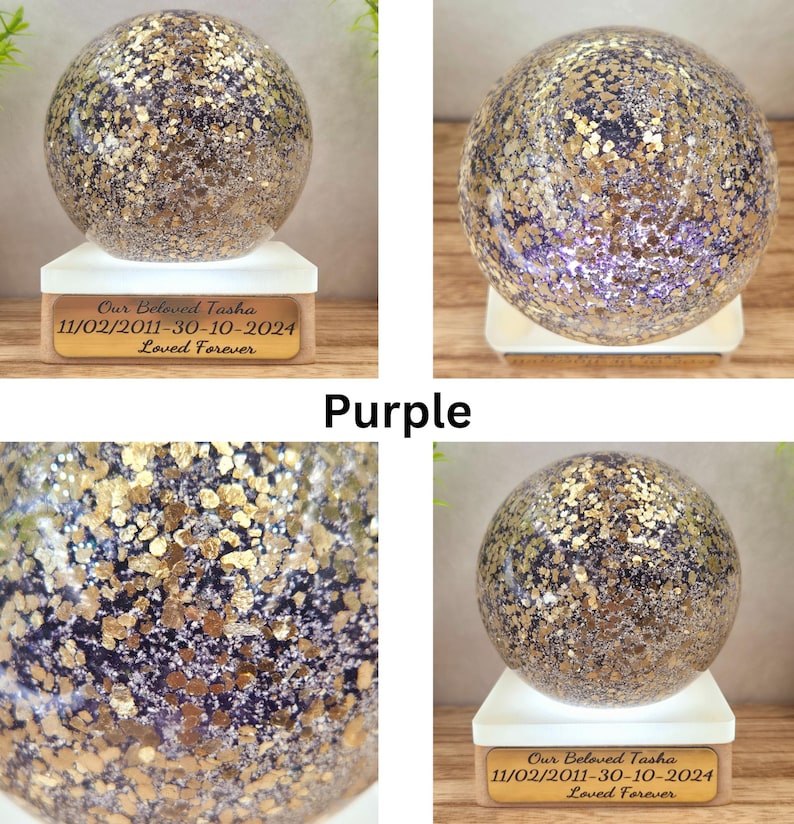
Artisans who specialize in glass-blowing can fuse a small amount of ashes into a marble, orb, or glass paperweight. The result is a luminous, beautiful object that holds your pet's remains in a form you can hold. Many families find this more display-friendly than a traditional urn.
6. An Ash Diamond
Several companies offer to compress cremated remains under extreme pressure and heat into a genuine synthetic diamond. The process takes several months and costs $500–$3,000+ depending on size, but produces a real, wearable stone you can set in any piece of jewelry. It's a profound, if expensive, way to carry your pet forever.
Shop: Memorial Keepsakes & Jewelry
Affiliate links — we may earn a small commission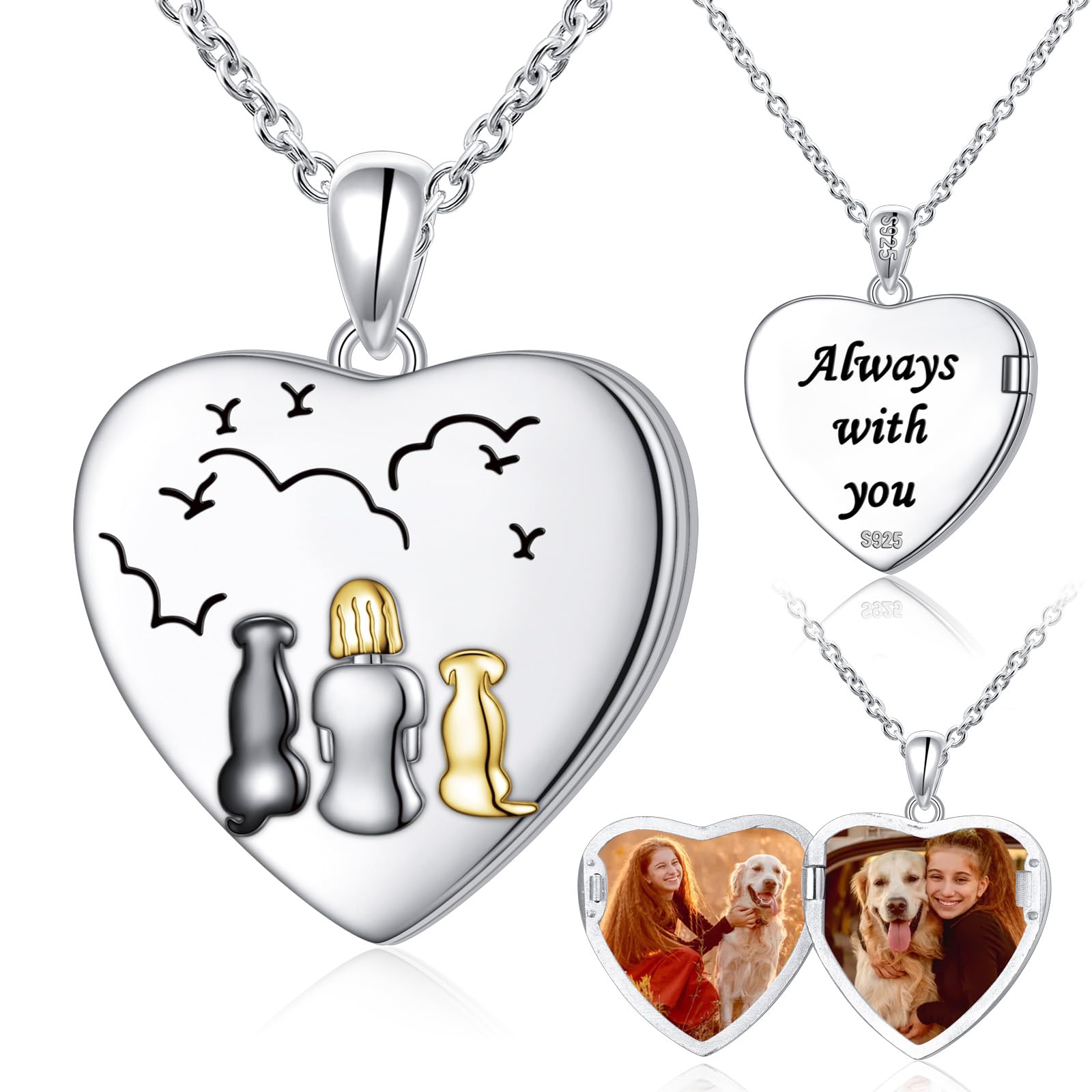

Outdoors and In Nature
7. Scatter Ashes at a Meaningful Place
Many families scatter pet ashes at a favorite location — a hiking trail you walked together, a beach your dog loved, a field where your cat liked to sit. Check local rules before scattering: on private property, you'll need permission; national parks and state parks have varying policies. Scattering at sea is generally permitted beyond a certain distance from shore. This option is free, deeply personal, and final.
8. Plant a Memorial Tree
Biodegradable urns designed to be buried in soil — with the ashes helping to nourish a tree or plant — are available from multiple specialty providers. You can plant a memorial tree in your yard, in a meaningful spot (with permission), or in a dedicated memorial garden. Watching something grow where your pet's remains rest can be a profound source of comfort over time.
9. Create a Memorial Garden
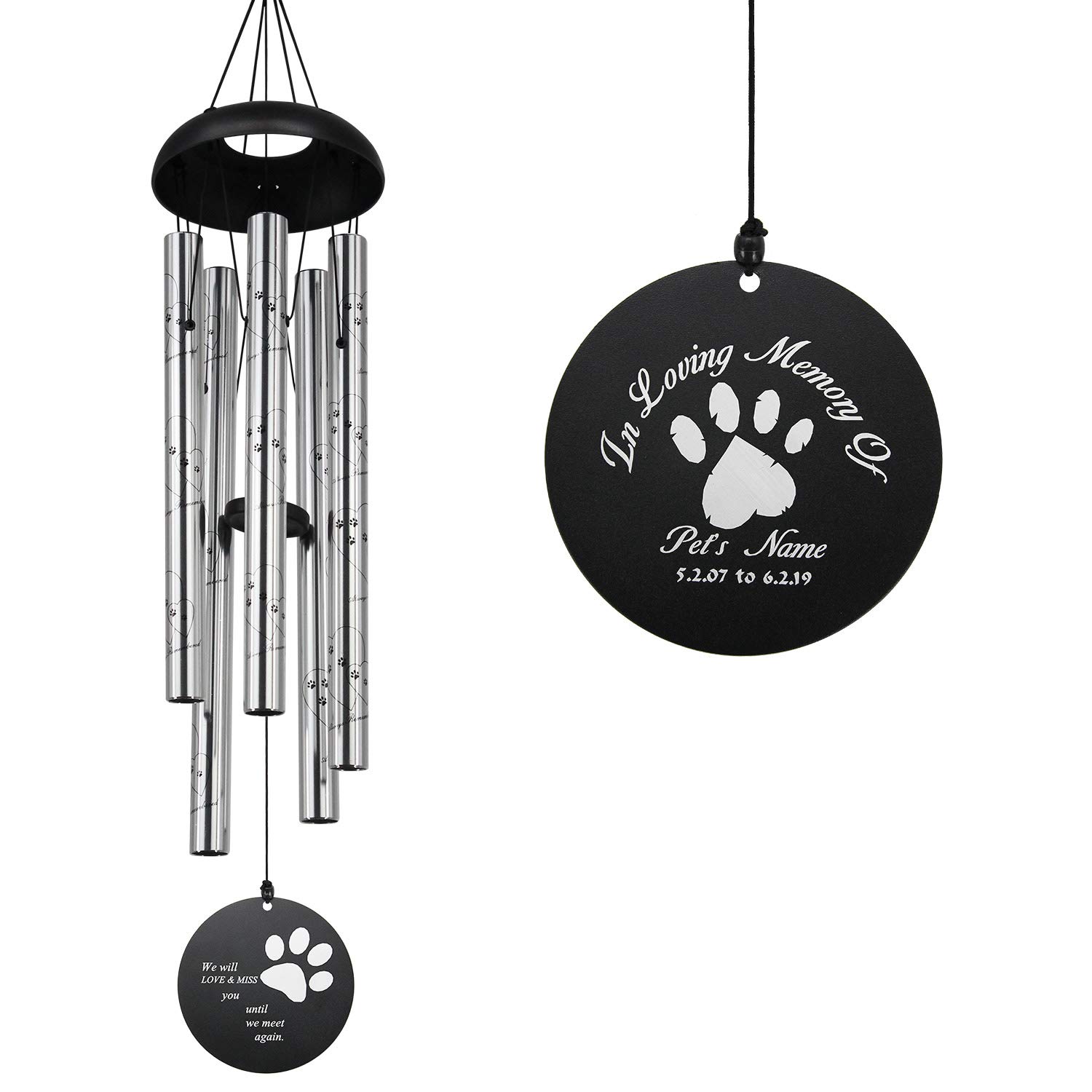
If you have yard access, mix a small amount of ashes into the soil of a garden bed and plant your pet's favorite plants, flowers, or a perennial shrub. Add a stepping stone, a small plaque, or a garden ornament as a visible marker. This creates a living memorial that changes with the seasons.
10. Scatter at Sea
Water burials and ash scatterings at sea are legal in the US if done a minimum distance from shore (typically 3 nautical miles). Some coastal families hire a charter boat for a private ceremony. Others scatter from a kayak at a beach where their pet loved to swim. The ocean's permanence and enormity can feel like an appropriate resting place for an animal who loved the water.
Shop: Garden & Outdoor Memorials
Affiliate links — we may earn a small commission


Creative and Community Options
11. A Custom Pet Portrait Painting
Commission a professional artist to paint your pet from a photograph — this doesn't require using ashes. A high-quality painted portrait is a lasting tribute that often means more to families than stock prints. Many artists on Etsy or Fine Art America specialize in pet portraits across a range of styles and price points.
12. A Memorial Stepping Stone
Craft kits allow you to make a concrete stepping stone incorporating your pet's paw print (taken before cremation, or cast from a photo) and a small portion of ashes mixed into the concrete. The result is a durable garden ornament that marks a permanent spot in your yard.
13. Donate to a Pet Memorial Forest
Several conservation organizations and memorial forest programs accept cremated remains as part of land conservation projects. A portion of ashes is incorporated into a protected natural area — your pet's remains contribute, in a small way, to preserving wild land. Check organizations like "Living Urn" or "Parting Stone" for nature-based options.
14. Create a Memorial Photo Book
This doesn't involve the ashes directly, but pairing a beautifully printed photo book of your pet's life with a modest display urn creates a complete memorial. Services like Artifact Uprising, Chatbooks, or Mixbook offer high-quality printing. Giving copies to family members who loved your pet is a meaningful gesture.
15. Hold On to Them — There's No Rush
It's completely okay to receive your pet's ashes and simply hold onto them for weeks, months, or years while you decide what feels right. Many families keep ashes in a closet or on a shelf with no formal display, revisiting the decision when the grief has softened. You don't owe anyone a final answer on a timeline.
One thing that helps: Whatever you decide, involving other family members — especially children — in the process of honoring your pet can be a meaningful part of grieving together.
What Are the Ashes, Exactly?
Pet cremated remains are primarily calcium phosphate — the mineral component of bone. They're dry, granular, and typically light grey or white. Most cats produce around half a cup of ash; most medium-to-large dogs produce 1–3 cups. The ashes are completely safe to handle and are not considered a biohazard.
If you're not sure what type of cremation to choose — or haven't made arrangements yet — see our guide on private vs. communal pet cremation. When you're ready to find a provider, browse our directory by state or search by zip code to find trusted cremation services in your area.
Frequently Asked Questions
You can keep ashes in an urn at home, scatter them at a meaningful location, plant a memorial tree, create memorial jewelry using a small amount of ash, press them into a glass keepsake, or simply hold onto them until you decide. There's no right answer — the choice is entirely personal.
Generally yes, with some restrictions. On your own property, you can scatter freely. On public land (national parks, state parks), rules vary — many allow it with permission. Scattering at sea is legal in the US beyond 3 nautical miles from shore. Always check local regulations for the specific location you have in mind.
Indefinitely. Cremated remains are inert, safe, and stable — there's no deadline to act on them. Many families keep ashes for years while deciding what feels right, or simply prefer to keep them at home permanently. There is no health or legal requirement to scatter or bury pet ashes within any time frame.
Yes. Memorial jewelry made from pet ashes is widely available. Options include glass pendants (ashes fused into blown glass), resin jewelry (ashes set in clear resin), and synthetic diamonds (ashes compressed into a real gemstone under heat and pressure). A small portion of ashes is used, so you can create a jewelry piece and still keep the remaining ashes in an urn.
A memorial tree involves burying a biodegradable urn containing your pet's ashes, with a seedling or sapling planted above it. As the urn breaks down naturally, the ashes contribute nutrients to the growing tree. Several companies sell biodegradable urns designed specifically for this purpose. It's a beautiful, living tribute that connects your pet's remains to a living thing.
What to do next
🕊 Honor Your Pet's Memory
Create a free online memorial tribute for your beloved companion. Share their photo, their story, and the love they brought into your life — so their memory lives on.
Create a Free Memorial →Find a Pet Cremation Provider Near You
Browse our directory of trusted, vetted pet cremation services across the United States. Compare providers, read reviews, and reach out directly.